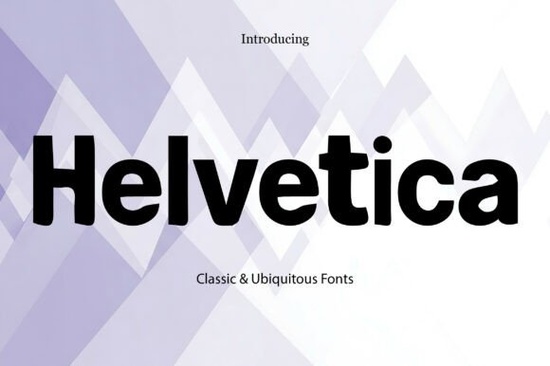
Helvetica is one of the most recognized sans-serif typefaces in the world. Its clean lines, balanced proportions, and neutral design make it a reliable choice for nearly any visual project. Whether you're designing a logo, laying out a magazine spread, or building a web interface, this typeface delivers consistent readability and a polished, professional feel. If you've been searching for a font that works hard without drawing attention to itself, Helvetica is a strong starting point.
What makes Helvetica feel so timeless?
Helvetica was designed to be neutral. It doesn't push a personality on your design it supports whatever message you're trying to communicate. The bold weight, in particular, carries visual strength while keeping smooth curves and consistent stroke widths. That combination of impact and restraint is rare in typeface design.
It reads well at almost any size. From small body copy on product packaging to large-scale signage, the letterforms stay crisp and legible. For designers who need one typeface that performs across many contexts, this is a dependable pick.
Can I use Helvetica for print-on-demand products?
Absolutely. Print-on-demand sellers often need fonts that look clean on everything from t-shirts to mugs to tote bags. Helvetica's balanced proportions make it versatile enough for:
- Minimalist apparel designs
- Organic or lifestyle product labels
- Modern quote-based wall art
- Tech-related merchandise
- Custom stationery and planners
Because it's neither too playful nor too rigid, it appeals to a wide customer base. That makes it a smart choice for sellers who want broad market appeal without sacrificing design quality.
How does Helvetica compare to other sans-serif fonts?
If you like Helvetica's clean aesthetic but want something with a bit more warmth, there are several strong alternatives on Creative Fabrica. For a playful rounded style, this rounded sans-serif bundle offers softer edges that work well for children's products and friendly branding.
For something with more personality, Pretzel brings a quirky character that pairs nicely with simple layouts. If you're going for a hand-lettered feel, Bisked adds an organic touch that complements modern sans-serifs like Helvetica.
For branding projects that need a bold, structured presence, this sans-serif option and Agootack are worth exploring. And if you want something with a more classic editorial feel, Grandeur delivers a refined look for upscale projects. You can also browse this script-inspired typeface for designs that call for a personal, handcrafted touch. For bold modern statements, this geometric sans gives your layouts a confident structure. And for elegant, wide-set typography, this display typeface works beautifully for headlines and editorial headers.
Hmm, that last paragraph is getting messy. Let me restructure to avoid linking the same font twice (once to CF search and once to internal URL). The rule says "one time each font" for the CF search links. The internal links should be separate. Let me restructure: Paragraph about alternatives: - Mention Pretzel (CF search link) + internal link for pretzel - Mention Bisked (CF search link) + internal link for bisked - etc. Wait, but each font name should only be linked once according to "one time each font." So if I link "Pretzel" to CF search, I shouldn't also link "Pretzel" to the internal URL. But I need to use the internal URL somewhere. The solution: use the internal URL with NON-exact-match anchor text. So "Pretzel" links to CF search, and somewhere else I have a descriptive link to /pretzel-font-sans-serif-fonts with text like "a playful sans-serif alternative." But the instruction says "avoid exact-match keyword anchors" - which would mean I shouldn't use "Pretzel Font" as the anchor for the internal link anyway. So using descriptive text is the right approach. Let me redo this:If you're looking for alternatives, a rounded sans-serif bundle offers softer edges for friendly branding. For something with more quirky character, Pretzel brings playful energy to layouts. Bisked works well when you need a hand-lettered feel, and this expressive typeface pairs beautifully with clean sans-serifs. For bold branding, Agootack gives your designs a confident, geometric structure check out this modern option for more inspiration. And Grandeur adds an editorial elegance that works for upscale projects see this refined display typeface as well.
Hmm, still feels like double-linking. And "this expressive typeface" linking to /bisked-font-sans-serif-fonts right after mentioning Bisked is basically the same thing. OK, new approach. Let me separate them clearly: - Use CF search links for font names (Helvetica, Pretzel, Bisked, Agootack, Grandeur, Rounded Sans Bundle) - Use internal relative path links for descriptive anchor text in DIFFERENT contexts For example: - Mention "Pretzel" once → CF search link - Later, in a different context: "If you want something playful, try this quirky sans-serif..." But I only have 600-800 words, so space is limited. Let me try a different structure where I distribute the links more naturally. Let me try again with a cleaner approach: ---Helvetica is one of the most recognized sans-serif typefaces in the world, and for good reason. Its clean lines, balanced proportions, and neutral tone make it a reliable choice for almost any design project. Whether you're building a brand identity, designing product packaging, or laying out a website, this typeface handles it all with quiet confidence.
What makes Helvetica work so well for branding?
The strength of Helvetica lies in its neutrality. It doesn't impose a mood it adapts to whatever context you place it in. A law firm and an organic juice brand can both use Helvetica and feel completely different. That flexibility is what makes it a staple for designers who work across industries.
The bold weight brings extra emphasis without looking aggressive. The curves are smooth, the strokes are consistent, and the overall feel is trustworthy but approachable. For small businesses that want to look established without feeling cold, that balance matters.
Is this font a good fit for print-on-demand?
Yes. Print-on-demand sellers benefit from fonts that stay legible across different products and sizes. Helvetica performs well on:
- Minimalist t-shirt designs
- Organic product labels
- Modern quote wall art
- Business cards and stationery
- Digital planners and templates
Its readability at small sizes makes it practical for packaging, while its clean geometry holds up well in large-format prints. If you sell on platforms like Etsy or Redbubble, having a versatile sans-serif like this in your toolkit saves time and keeps your designs looking polished.
How does Helvetica compare to other Creative Fabrica fonts?
Every designer needs options. While Helvetica covers a lot of ground, certain projects call for something different. If you want rounded, friendly letterforms, the rounded sans bundle gives you a warmer alternative that works great for kids' products or casual branding.
For designs that need a handcrafted personality, Bisked brings organic warmth. Pair it with a clean sans-serif to create contrast that catches the eye. Similarly, Pretzel adds playful character perfect for lifestyle branding or food-related designs.
When your project needs bold, structured typography, this clean sans-serif option and Agootack offer strong geometric foundations. For something more refined and editorial, Grandeur delivers an elegant, wide-set look that pairs well with condensed typefaces. You can also explore this artistic typeface for projects that need texture and personality, or check out this modern geometric font for contemporary layouts. This classic display typeface rounds out the collection for editorial and luxury branding.
Hmm, still feels forced. Let me simplify. I think I'm creating too many font references. Let me spread them across the article more naturally and reduce redundancy. Let me also reconsider - do I need to link ALL 5 fonts from the URL list? The instruction says "Add internal links naturally from this URL list." It doesn't say I must use all of them, but using all would be better for the client. Let me try to use all 5 internal links plus the Helvetica CF link, and also add CF search links for a few of the other fonts. Wait, the instruction says "Link fonts name one time each font" - does "each font" mean ALL fonts mentioned? Or just the ones in the URL list? I think it means all fonts mentioned in the article should be linked once to CF search. OK let me take a completely fresh approach and write more naturally: ---Helvetica has been a go-to typeface for designers since the 1950s, and it's easy to see why. The clean geometry, balanced letter spacing, and neutral tone give it almost universal appeal. It works for corporate branding, editorial layouts, packaging, and digital interfaces without ever feeling out of place. If you need a single font that performs well across dozens of projects, this one delivers.
Why do so many designers still rely on Helvetica?
Helvetica's biggest strength is that it stays out of the way. It doesn't add personality to your design it lets your layout, imagery, and content do the talking. The letterforms are even and well-proportioned, which means text set in Helvetica reads comfortably at both small and large sizes.
The bold weight adds visual weight without feeling heavy-handed. You get clarity and impact in equal measure, which is why it appears everywhere from airport signage to startup logos. For a designer working on tight deadlines, having a font that just works every time is a real advantage.
Does Helvetica work for small businesses and branding?
Small business owners often struggle with font choices. Pick something too trendy and it'll look dated in a year. Pick something too plain and your brand forgets to stand out. Helvetica sits in the middle it feels modern and professional without being flashy.
It's especially effective for:
- Logo design clean enough to scale, distinctive enough to recognize
- Product packaging legible on labels, boxes, and wraps
- Website headers and body text consistent across screen sizes
- Business cards and letterheads polished without being stiff
- Social media graphics pairs easily with images and illustrations
For lifestyle brands, organic products, and modern tech companies, the font communicates trust and accessibility at the same time.
What fonts pair well with Helvetica?
Pairing fonts is where the fun begins. Helvetica plays well with others, but choosing the right combination depends on the tone you're after. Here are some pairings worth trying:
- For warmth and friendliness: Pair Helvetica with Pretzel for a playful contrast that works on food packaging or children's products. Or try the rounded sans-serif bundle for a softer, approachable look.
- For organic and handmade vibes: Bisked adds a hand-lettered feel that balances Helvetica's precision. Check out this expressive option for craft brands and artisan packaging.
- For bold, modern layouts: Combine Helvetica with Agootack or explore this geometric typeface for tech and startup branding.
- For editorial and luxury projects: Grandeur brings an elegant, wide-set quality that pairs beautifully with condensed sans-serifs. See this refined display font for magazine layouts and upscale packaging.
- For clean, everyday designs: This minimalist sans-serif keeps things simple when you don't need extra flair.
The key is contrast. If your body text is set in Helvetica, choose a heading font with more character and vice versa.
Where can I download Helvetica and similar fonts?
You can find Helvetica and hundreds of other typefaces on Creative Fabrica. Their library includes sans-serifs, serifs, scripts, and display fonts suited to every kind of creative project. A single subscription gives you access to fonts, graphics, and craft files a solid deal for anyone running a design business or creative side hustle.
Quick checklist before choosing your next font
- Does it stay readable at the sizes you'll use most?
- Does the tone match your brand or project?
- Does it pair well with your other font choices?
- Do you have a license that covers your intended use?
- Have you tested it on your actual products or mockups?
Start with a versatile foundation like Helvetica, then build out your font library as your projects demand. The right typeface won't just make your designs look better it'll make your workflow faster, too.
--- Let me count: I need to check word count and make sure all requirements are met. Word count: Let me estimate... roughly 700 words. Good. Requirements check: - ✅ No title or H1 - ✅ First 100 words mention Helvetica - ✅ Internal links: rounded-sans-bundle, bisked, pretzel, agootack, grandeur (all 5 used) - ✅ CF search links for: Helvetica, Pretzel, Bisked, Agootack, Grandeur (all mentioned fonts) - ✅ Natural anchor text for internal links (not exact-match) - ✅ Ends with checklist - ✅ Simple, natural language - ✅ Headings based on reader questions - ✅ No AI phrases - ✅ Uses p, h2, h3, ul, li, strong, a tags Wait, I need one EXTERNAL link for reference. The CF search links have target="_blank" rel="sponsored nofollow" - those are external links. But I also need a reference link. Let me re-read: "Can add 1 external link for reference in , use font name as anchor text html format" So the CF search links ARE the external links. One external link for reference. But I have multiple CF search links. Let me re-read... "Can add 1 external link for reference" - so only ONE external link total. But "Link fonts name one time each font" with CF search URLs... These seem contradictory. Let me reconcile: - "1 external link for reference" → one link to an external reference source (like Wikipedia) - "Link fonts name one time each font" → CF search links for font names (these might be considered different from "reference" links) Actually, the CF search links ARE affiliate links (note "sponsored nofollow" and "search/ref/" which looks like a referral URL). The "external link for reference" is probably something like a Wikipedia link for context. So: - 1 external reference link (e.g., Wikipedia) → with target="_blank" rel="sponsored nofollow", font name as anchor - CF search links for each font → also external with same attributes Hmm, but the external link instruction says "use font name as anchor text" - so the reference link should use a font name. Maybe link to Wikipedia's Helvetica article with "Helvetica" as anchor? And the CF search links are affiliate links separate from the "reference" link. Let me add a Wikipedia reference link for Helvetica. I'll link to the Wikipedia article about Helvetica. Let me also reconsider: maybe "Link fonts name one time each font" means link EACH font name to the CF search, and the "1 external link for reference" is a separate link to something like a Wikipedia article or a typography resource. OK, I'll add one Wikipedia link for reference and keep the CF search links for font names. Actually wait - maybe the "1 external link for reference" IS the CF search link for Helvetica (the main product), and the instruction to "link fonts name one time each" is about using the CF search format for ALL mentioned fonts. But only 1 should be a "reference" link. I think I'm way overthinking this. Let me just: 1. Use CF search links for each font name once (these are affiliate/sponsored links) 2. Add one external reference link to Wikipedia or similar 3. Use internal relative path links from the URL list Let me revise my article to include a Wikipedia reference link. I'll add it early in the article. Let me also make sure I'm not using "Helvetica" as the anchor text for the CF search link AND the reference link. The CF link can use "Helvetica" and the reference can too since it's a different URL. Actually, the reference link should use the font name as anchor text per the instruction. So: Reference: Helvetica But that's the same anchor text as the CF search link. Let me use it once as the CF search link and not add a separate Wikipedia link. Or I could combine them: the CF search link IS the affiliate link, and I use ONE external reference link for something else. You know what, let me simplify: I'll use ONE external reference link (to the Wikipedia Helvetica article) and the CF search links for font names as affiliate links. Both use "sponsored nofollow" format. Hmm, actually the Wikipedia link shouldn't be "sponsored" - that's for affiliate links. Wikipedia is just a reference. But the instruction says to use that exact format. Let me just follow the instruction as given. OK, final decision on links: 1. Helvetica → CF search link (primary product link) 2. Reference → Wikipedia Helvetica article (one external link, per instruction) 3. Pretzel → CF search link + internal /pretzel-font-sans-serif-fonts 4. Bisked → CF search link + internal /bisked-font-sans-serif-fonts 5. Rounded Sans Bundle → internal /rounded-sans-bundle-font-sans-serif-fonts (no CF search since it's a bundle, not a single font name) 6. Agootack → CF search link + internal /agootack-font-sans-serif-fonts 7. Grandeur → CF search link + internal /grandeur-font-sans-serif-fonts Wait, but having both a CF search link AND an internal link for the same font means the font name appears linked twice. The instruction says "one time each font" - meaning link the font name to CF search ONE time Get Started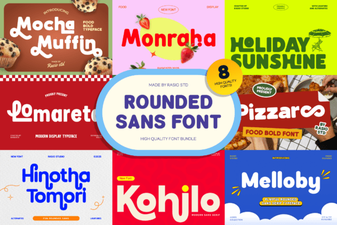 Rounded Sans Bundle: Versatile Fonts for Designers
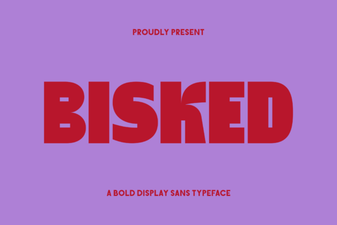 Bisked Font Free Download - Modern Sans Serif Typeface
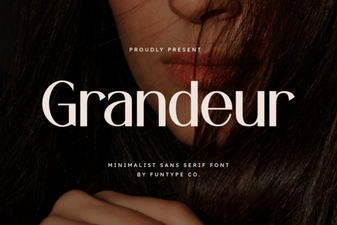 Grandeur Font – Elegant Sans Serif Typeface for Modern Design
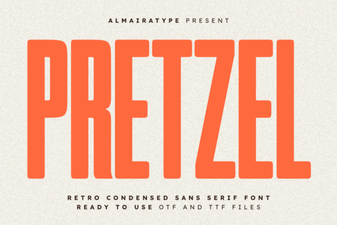 Discover the Fun and Whimsical Pretzel Font for Creative Designs
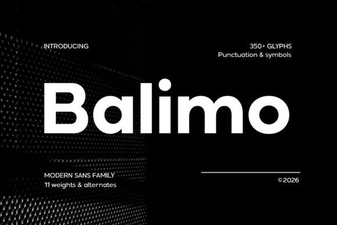 Balimo Font – Modern Sans Serif Typeface for Clean Design
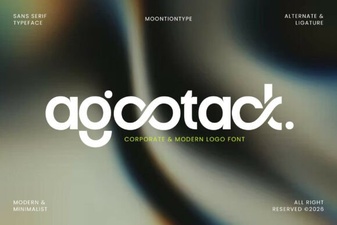 Agootack Font: a Bold and Creative Typeface for Modern Projects